Beach Definition In Geography
Beach definition world geography. Beach A beach is an area along the edge of a sea lake or wide river that is covered with sand or small stones.
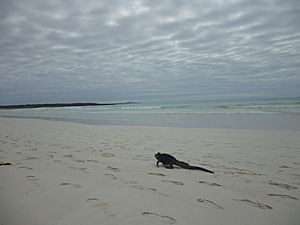
Beach Facts For Kids
Beach is a zone of materials accumulated along the coast.

Beach definition in geography. This process is called erosion. If a conclusion is drawn that coast is a geographical form consisting of sand and found in the coastal area of the sea. The waves sort these materials.
Its form is greatly influenced by. A beach is a narrow gently sloping strip of land that lies along the edge of an ocean lake or river. The shore of a body of water especially when sandy or pebbly.
The first occurs as a sediment. Climate pattern in which coastal waters become warmer in the eastern tropical Pacific El Nio and atmospheric pressure decreases at the ocean surface in the western tropical Pacific Southern Oscillation. The active coastal zone also called active coastal profile is the cross-shore coastal zone that is highly dynamic with up and down redistribution of sand by the action of tides waves and wind.
Solid material transported and deposited by water ice and wind. In addition to that coastal characteristics according to some experts were put forward by Bird 1984 which was later divided into three parts including the foreshore backshore and offshore beaches. Materials such as sand pebbles rocks and seashell fragments cover beaches.
You can relax or play on a beach or use it as a place to swim from. This is the boundary between land and sea waters. There are three different kinds of beaches.
Most beach materials are the products of weathering and erosion. Beaches are a common feature of a coastline. Beaches definition geography 13 April 2021.
Beach in Geography topic From Longman Dictionary of Contemporary English beach beach 1 bit S2 W2 noun countable DN an area of sand or small stones at the. The term beach profile refers to a cross-sectional trace of the beach perpendicular to the high-tide shoreline and extends from the backshore cliff or dune to the inner continental shelf or a location where waves and currents do not transport sediment to and from the beach. Beaches can also be barren desert coastlines.
A beach is formed when deposited materials carried by waves are accumulated in a zone along the coast. Not to be confused with. Materials such as sand pebbles rocks and seashell fragments cover beaches.
Introduction Of all the earths natural environments the coast is the most rapidly changing and dynamic. A beach is a landform alongside a body of water which consists of loose particles. All beaches border a body of water but beaches can have many different characteristics depending on where they are in the world.
From longman dictionary of contemporary english beach beach 1 bit s2 w2 noun. Educator Family PreK. It can be defined in several ways but at its simplest it is the place where land and sea meet and interact.
Growth vertical andor horizontal of morphological structures beach bar dune sand bank tidal flat salt marsh tidal channel etc by sedimentationActive coastal zone. Some beaches are in tropical locations near the equator. We planted beech trees in the front yard.
Consists of a narrow backshore and foreshore the part of the beach affectedlargely built by waves abutting to a sea cliff or structure. The materials on the beach vary in size from fine sand to pebbles. Beach sediments that accumulate along the sea or lake shores the configuration and contours of which depend on the action of coastal processes the kinds of sediment involved and the rate of delivery of this sediment.
Beaches are made up of eroded material that has been transported from elsewhere and deposited by the. Beaches are created as wind and waves crush rocks and other materials into tiny sand grains. Shingle beaches typically have a steep gradient over 10 because the waves easily flow through the coarse porous surface of the beach decreasing the effect of backwash erosion and increasing the formation of sediment into a steep sloping back.
The coast is under numerous pressures due to its pull for economic activity settlement recreation and wildlife. Beach in Geography topic From Longman Dictionary of Contemporary English. There is no foredune or beach ridge because of the lack of accommodation space.
A beach is a narrow strip of land that lies along the edge of an ocean lake or river. The particles composing a beach are typically made from rock such as sand gravel shingle pebbles etc or biological sources such as mollusc shells or coralline algae.
Difference Between Bay And Beach Definition Appearance Use
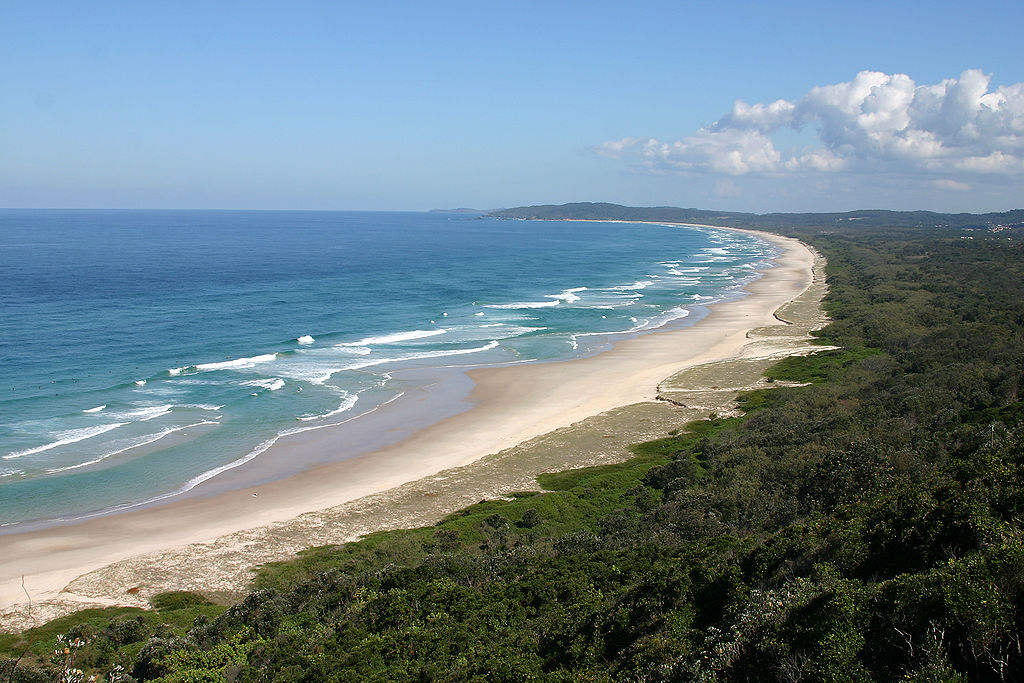
Beaches
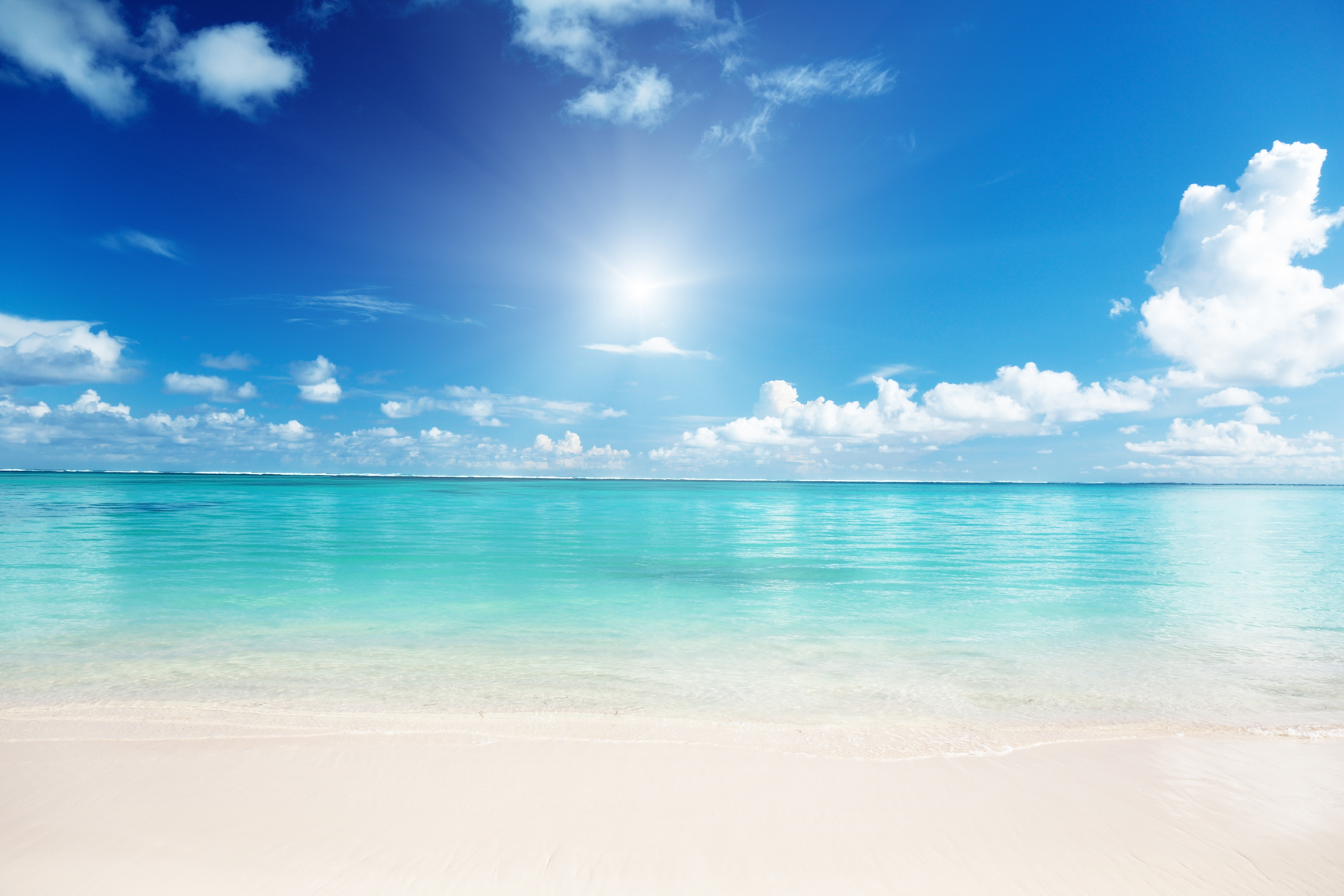

Beach Wave Washed Sediment Along A Coast Landforms Around The Worlds Beach Waves
Depositional Landforms Year 8 Geography
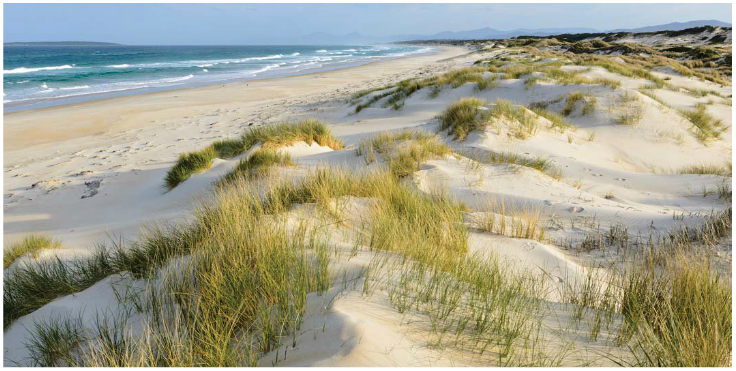
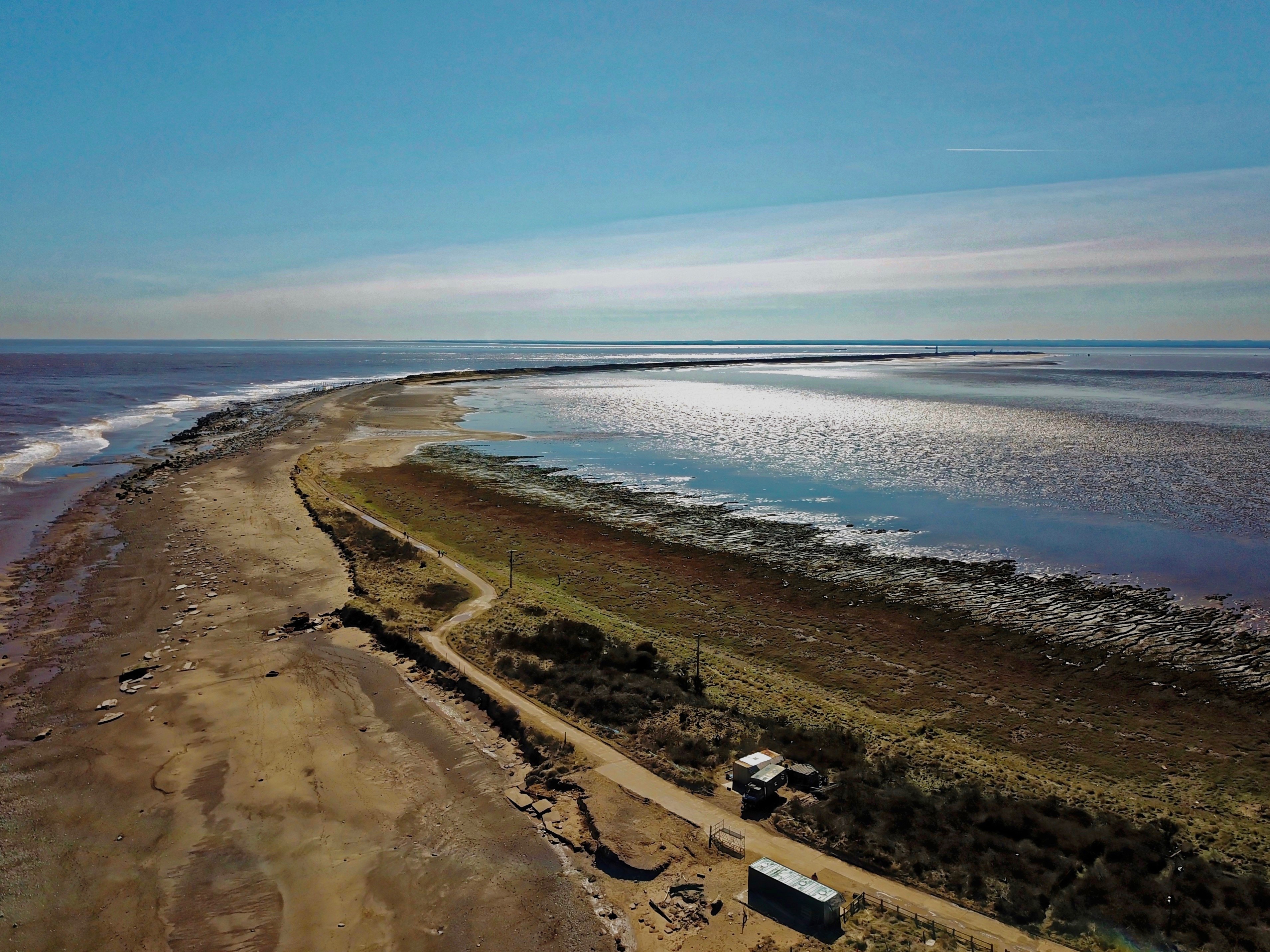
Coastal Landforms Of Deposition A Level Geography
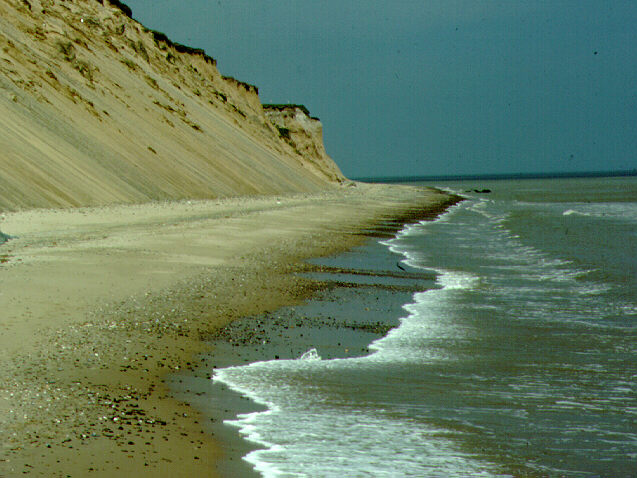
Coasts The Geographer Online

There Is No Limit To The Places And Times One Can Use The 5 Common Topics To Contemplate Ideas Or To Have Discu Beach Topics Classical Conversations Homeschool

Coastlines National Geographic

Montessori Monday Land And Water Forms At The Beach Montessori Geography Geography For Kids Teaching Geography

Whiting Beach Next On My List Near Green Patch In Jervis Bay National Parks Australian Beach Coast
Pin On Homeschool Geography
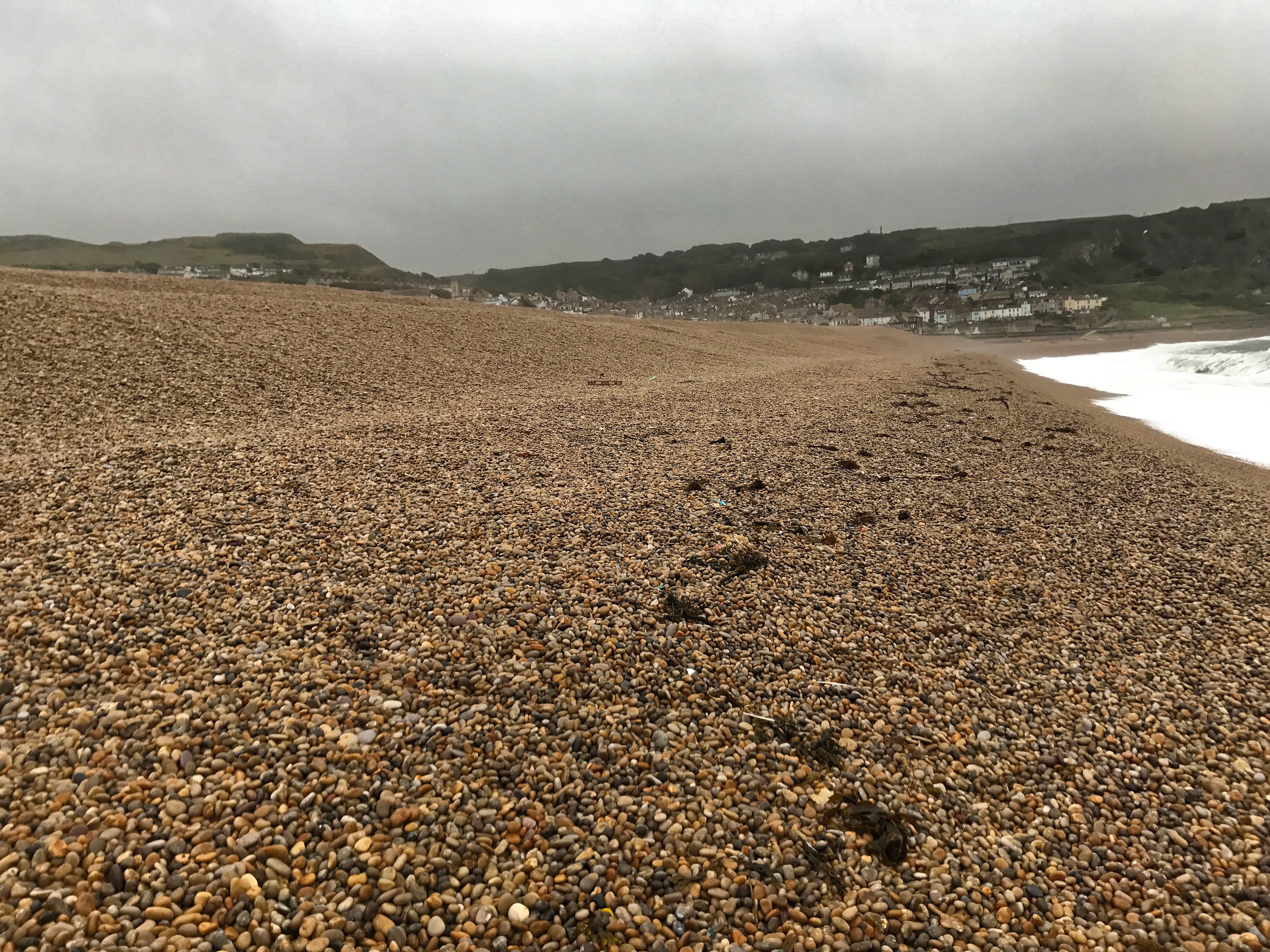
Landforms Of Coastal Deposition Internet Geography

Aruba Beaches Visitaruba Com Aruba Beach Aruba Beach

The World Geography 15 Incredible Spits On Earth Ontario Road Trip Canada Travel Canada Road Trip

Coastal Terms And Definitions Niwa

Snow On The Beach At Oak Island Nc

Cayman Islands Travel Azores 998 Caymanisland Travelers Trip Cayman Islands Travel Dostup K Nashemu Saj Island Travel Cayman Islands Resorts Island Beach

On The Beach At Fort Rocky In Port Royal Jamaica Jamaica Port Royal Natural Landmarks

A Wooden Groyne Shorter Life Span Than Rip Rap But Effective Not Ideal For Health And Safety But There Is Almost A 1m Dif Health And Safety Outdoor Coastal

Post a Comment for "Beach Definition In Geography"